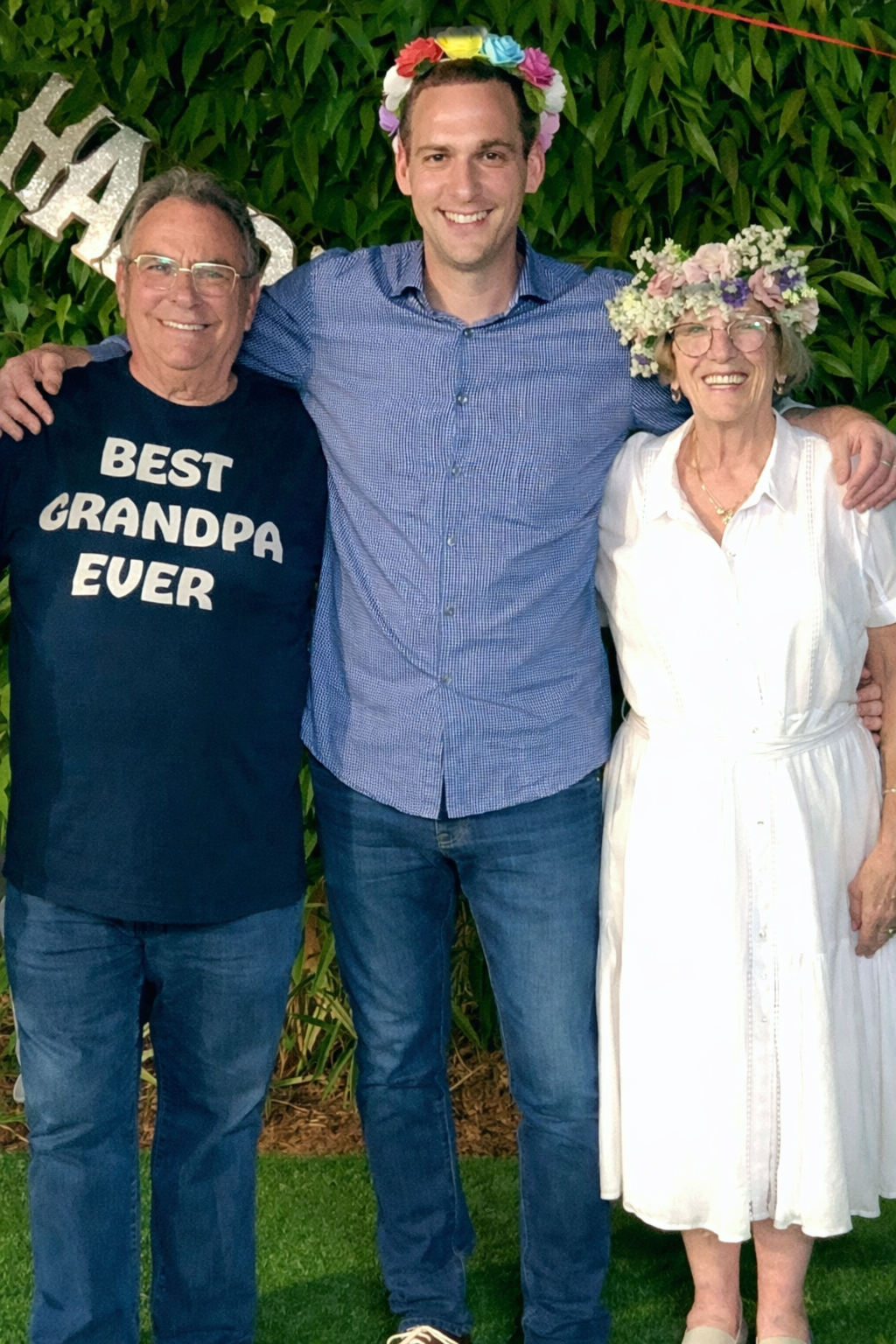
It started with a week I've replayed a thousand times.
My dad wasn't sick. Not obviously. He was just… a little off. Tired in a way that wasn't quite him. Moving a little slower than usual. Sleeping more. Not hungry. The kinds of things you notice when you're paying attention — and then immediately explain away. He had a busy week. He's getting older. It's nothing.
I called him every day that week. Sometimes twice. He said he was fine. He believed it. I wanted to.
Looking back — and I've looked back more times than I can count — the signals were all there. The changes in his sleep pattern. The quieter days. The resting heart rate that had been climbing for days. Small deviations from what was normal for him. Not dramatic. Not alarming on their own. But together, over a week, they were telling a story that no one was reading.
Because there was no one to read it. No device paying attention. No system connecting the dots. Just a son calling every day and a father saying he was fine.
I'm a product guy. I've spent my career building products that make a difference in people's lives. And I couldn't stop thinking: this is a solvable problem.
Not with a hospital device. Not with something that makes your parent feel monitored or managed. Not with an app that sends your daughter 47 notifications a day. But with something quiet. Passive. Worn like a bracelet, forgotten like a watch — and working constantly in the background, learning what's normal, and noticing when it isn't.
Something that would have seen that week coming. And given us the chance to make a different call.
That's why I built Nura. Not because I found a gap in the market. Because the gap found me — on a Tuesday afternoon when my phone rang and the number wasn't my dad's.
That week should never have been silent.
No family's week should.